Transform Your Living Area: Vital Details On Residential Improvement Projects for Every Homeowner
Many householders want to find methods to enhance their residences through remodeling services. These renovations extend from small kitchen fixes to comprehensive home makeovers. Knowing the choices accessible is crucial for choosing intelligently. Moreover, one must consider real-world factors such as setting a budget and choosing the right builder. As householders start this endeavor, they could face unexpected challenges. The secret to a great renovation depends on meticulous preparation and execution. What are the next necessary steps?
Knowing the Various Categories of Residential Renovation Work
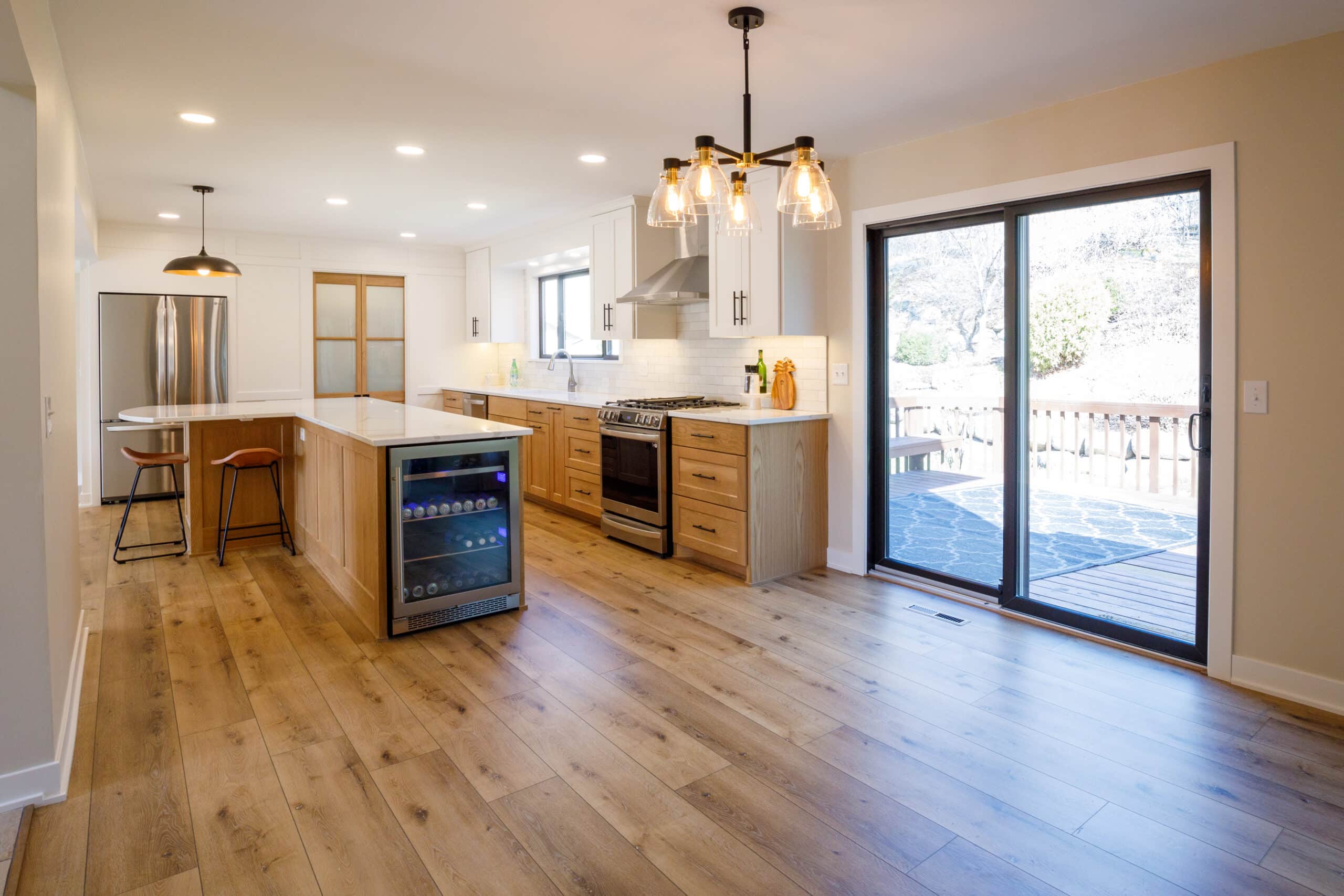
When homeowners consider renovating their homes, they often encounter a variety of remodeling services designed for specific preferences and preferences. These services can be broadly categorized into various categories, each focusing on particular areas of house upgrades. Kitchen remodeling focuses on updating appliances, cabinetry, and floor plans to boost practicality and aesthetics. Bathroom remodeling typically involves improving the fittings, tiles, and shelving options for improved comfort and design.
Complete residential remodeling includes major alterations across the property, frequently involving changing the structure to maximize the area and flow. Outdoor renovation projects, on the other hand, concentrate on enhancing curb appeal, dealing with the cladding, roofing, and the yard. Additionally, specialized services such as completing the basement and loft remodeling enable property owners to utilize fully unused areas. Every renovation category delivers specific perks, allowing property owners to select choices that fit their desired outcome for their home life. Grasping these differences is vital for choosing wisely during the renovation process.
Establishing a Practical Spending Plan for Your Remodeling Project
How do property owners make certain their remodeling projects remain within budget? Setting a practical budget is necessary. Homeowners should begin by determining their fiscal limits, including savings and potential financing options. This first stage allows one to figure out how much can be allocated for the remodel without compromising other financial responsibilities.
Next, homeowners must look into the financial requirements of their intended changes, taking into account materials, labor, and unexpected costs that frequently occur. Making an exhaustive list of needs helps with distinguishing essentials from desirable features, enabling modifications if the finances are strained.
It is smart to incorporate a reserve fund, usually about 10-20% of the overall cost, to account for surprise expenditures. Frequently checking and modifying the budget as the updating work progresses can further assist in keeping finances in check. Finally, a thoroughly prepared budget does more than just confirm the project can be done but also improves the entire renovation process for property owners.
Choosing the Right Contractor to Suit Your Project.
Choosing the appropriate professional has a major influence on the success of a remodeling project. Homeowners should begin by performing extensive investigation, asking for referrals from friends, family, or internet reviews. It is crucial to check qualifications, like licenses, insurance, and bonds, to confirm legitimacy.
Once potential contractors are identified, property owners must ask for comprehensive quotes and schedules, allowing for informed comparisons. Meeting with them offers a look at their manner of communicating and their professional conduct, which are essential for a collaborative process.
In addition, looking at completed jobs through galleries or recommendations shows the builder's standard of work. It is wise to question them regarding warranties or safeguards, reflecting the contractor's confidence in their work.
Ultimately, selecting a contractor who aligns with the homeowner’s vision, budget, and timeline creates a better renovation journey, making certain the outcome satisfies needs and transforms the living space effectively.
Planning and Designing The Space You Envision.
As homeowners envision their ideal spaces, meticulous organization and deliberate design are crucial elements of an effective updating job. The initial phase includes assessing present requirements and long-term goals, to gain a complete comprehension of the area's utility. When planning, homeowners should evaluate practicality, aesthetics, and personal style, to guarantee the design showcases their unique preferences.
Following this, developing a comprehensive budget is essential. This budget should cover supplies, labor, and possible unexpected costs. Consulting with design experts can provide valuable insights, helping to optimize the space while adhering to budgetary constraints.
Including features such as ample daylight, spacious designs, and sustainable materials can improve the final result. Finally, seeing the project via drawings or computer models can aid in refining ideas prior to construction. By thoughtfully tackling the design and planning stage, homeowners can create an inviting, efficient space tailored to their lifestyle.
Navigating Permits and Regulations in Home Remodeling
Understanding the complexities of permits and regulations can be intimidating for homeowners embarking on a renovation. Each municipality has specific rules that govern what can be done during renovations, often influenced by zoning laws, building codes, and security requirements. Owners need to acquaint themselves with local regulations so they don't incur hefty fees or construction hold-ups.
Generally, securing permits is essential for significant alterations, such as modifying load-bearing elements or electrical work. This process frequently requires submitting blueprints for approval and might demand site visits at multiple points.
Working with a skilled professional can make this procedure easier, as they are usually well-versed in local regulations and can aid in filing necessary forms. Homeowners should also keep communication open with the municipal details planning office to guarantee compliance throughout the project. By grasping and navigating these regulations, homeowners can meet their renovation objectives while ensuring safety and legality in their renovations.
Common Queries
How Much Time is Needed for a Typical Remodeling Job?
A standard home renovation generally requires between three to six months, contingent upon the extent of the project, scale of the house, and material lead times. Intricate jobs could demand more time for completion.
What are some common mistakes to avoid while undertaking a remodel?
Frequent errors when renovating a home include failing to budget properly, not securing the required permissions, missing scheduled deadlines, failing to communicate effectively with contractors, and failing to think about long-term functionality. Knowing these potential problems helps ensure a less stressful, more successful remodeling experience.
What's the best way to select the right materials for the job?
Choosing the right materials requires assessing durability, the look and feel, and budget. Researching options, talking to specialists, and thinking about upkeep will significantly help to make smart choices, making sure the renovation matches your functional and aesthetic goals.
Will I be able to reside in my property during renovations?
You are able to stay in their home while work is ongoing, but it may lead to inconvenience. Thorough preparation, clear communication with contractors, and designating specific areas for daily use can help minimize disruption while the work is underway.
What kind of coverage should be provided from remodeling contractors?
Clients typically receive warranties covering workmanship, materials, and the integrity of the structure, which usually last between one to ten years. You must carefully check the fine print and details in partnership with the renovation company to know the full extent of the guarantee and its restrictions.
Comments on “Creative Space Fixture Selection with Minimal Stress”